Restoring protection, alignment, and function after injury
Facial injuries may involve the teeth, jaws, cheekbones, eye sockets, nose, or soft tissues. Because these structures affect breathing, vision, speech, chewing, and appearance, prompt and coordinated evaluation matters.
Treatment may range from observation and dietary changes to repairing lacerations, stabilizing teeth, or repositioning and fixing facial bones.
Severe facial injuries need emergency care
Call 911 or go to an emergency department for trouble breathing, loss of consciousness, confusion, uncontrolled bleeding, sudden vision changes, a deep wound, or a serious face, head, or neck injury. Do not delay emergency care to contact the office first.
What facial trauma can affect
More than a broken bone
An oral and maxillofacial evaluation considers the facial skeleton, teeth and bite, soft tissues, nerves, and nearby structures as part of one connected system.
Jaw and facial fractures
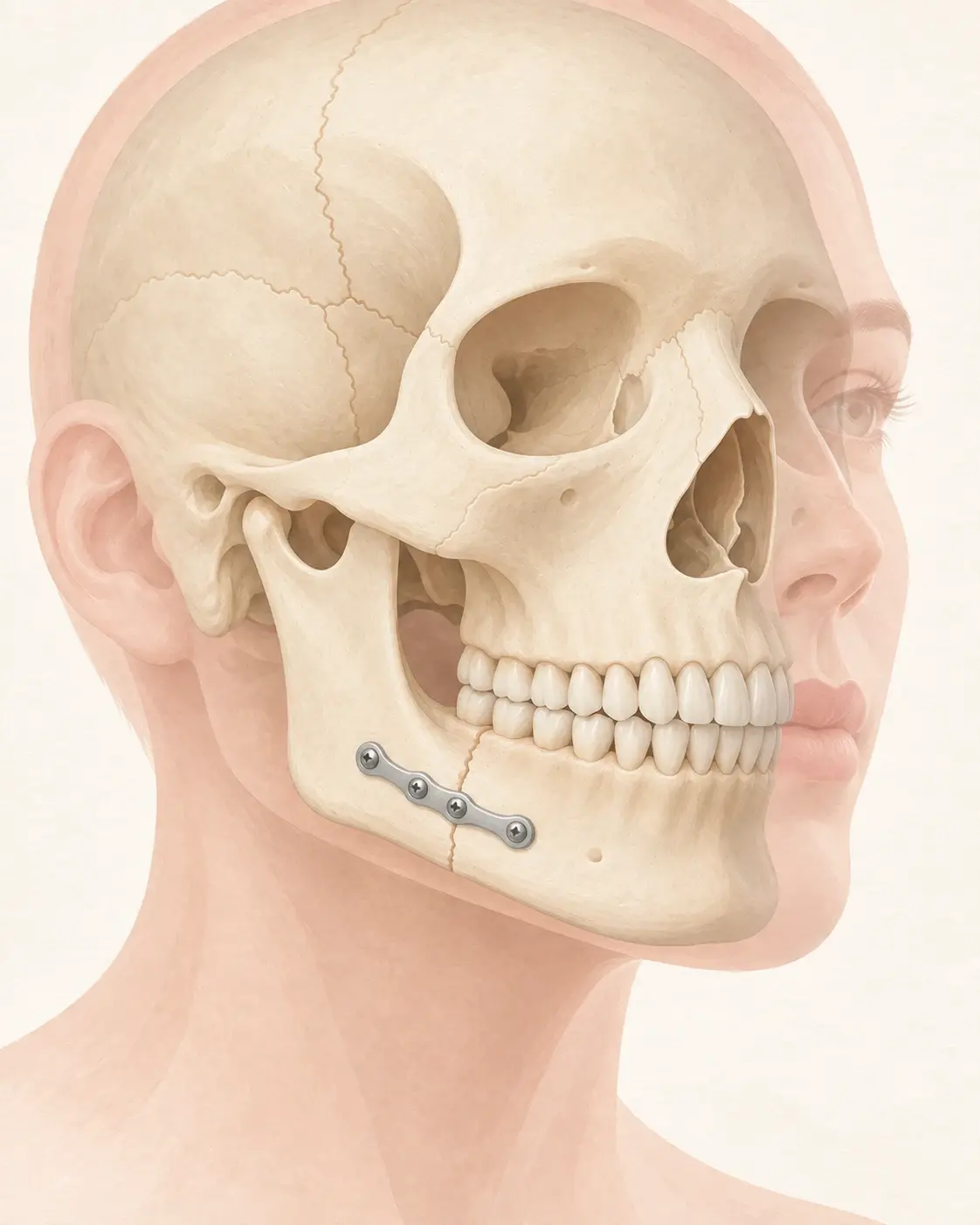
Breaks may involve the lower or upper jaw, cheekbone, eye socket, nose, or several areas at once. Changes in the bite can be an important clue.
Teeth and supporting bone
Teeth can loosen, fracture, move out of position, or be knocked out. The surrounding gum and bone may also require urgent care.
Soft tissue and nerves
Cuts inside or outside the mouth, numbness, weakness, and injury near salivary ducts or facial nerves may require specialized repair and follow-up.
Evaluation and treatment
Care is guided by the location and severity of injury
Serious trauma is evaluated in an emergency setting first so breathing, bleeding, brain or spine injury, vision, and other urgent concerns can be addressed.
- 01
Stabilize and examine
The care team evaluates immediate threats and examines facial symmetry, vision, sensation, wounds, teeth, jaw movement, and the way the bite comes together.
- 02
Image and repair
CT scans, X-rays, and dental imaging help define the injury. Treatment may include cleaning and closing wounds, stabilizing teeth, or fixing bones with plates, screws, splints, or elastic guidance.
- 03
Recover and reassess
Follow-up monitors the bite, healing, sensation, vision, infection, scarring, and jaw function. Diet, activity restrictions, oral hygiene, and additional dental care depend on the injury.
After emergency stabilization
Follow-up protects function as healing progresses
Facial swelling can hide the full extent of an injury, and some problems become clearer over time. Keep every recommended follow-up appointment even if symptoms begin to improve.
- Changes in bite, mouth opening, or ability to chew
- New numbness, weakness, or facial asymmetry
- Double vision, vision changes, or pain around the eye
- Loose, displaced, broken, or missing teeth
- Increasing swelling, drainage, fever, or uncontrolled pain
Questions and answers
What patients often ask
How do I know if my jaw may be broken?
Warning signs can include a bite that suddenly feels different, inability to open or close normally, pain with movement, facial asymmetry, swelling, numbness, loose teeth, or movement of a jaw segment. Imaging is needed to confirm a fracture.
Does every facial fracture require surgery?
No. Treatment depends on displacement, stability, bite, function, appearance, and the structures involved. Some fractures can be observed with close follow-up, while others need repositioning and fixation.
Why is my bite important after an injury?
The way the teeth meet helps clinicians assess jaw alignment and guides treatment. Report a new open bite, shift, premature contact, or inability to bring the teeth together normally.
How are facial fractures repaired?
Depending on the injury, the surgeon may use small plates and screws, splints, temporary elastic guidance, or other methods to hold bones and the bite in the planned position while healing occurs.
How long does recovery take?
Recovery varies widely with the number and location of injuries and whether other parts of the body were affected. Swelling improves before bones are fully healed, so activity and diet restrictions may continue after you feel better.
Start with a conversation
Understand your options and next steps
An individual evaluation is the best way to understand what applies to you, what alternatives are available, and what recovery may involve.
This information is educational and does not replace an individual examination, diagnosis, or medical advice. Treatment recommendations, risks, healing, and results vary by patient.